A successful workplace is built around more than business goals, technology, and processes. The people behind the organisation play an equally important role. When employees have the right knowledge, confidence, communication skills, and support, they are better prepared to manage everyday responsibilities and respond to workplace challenges.
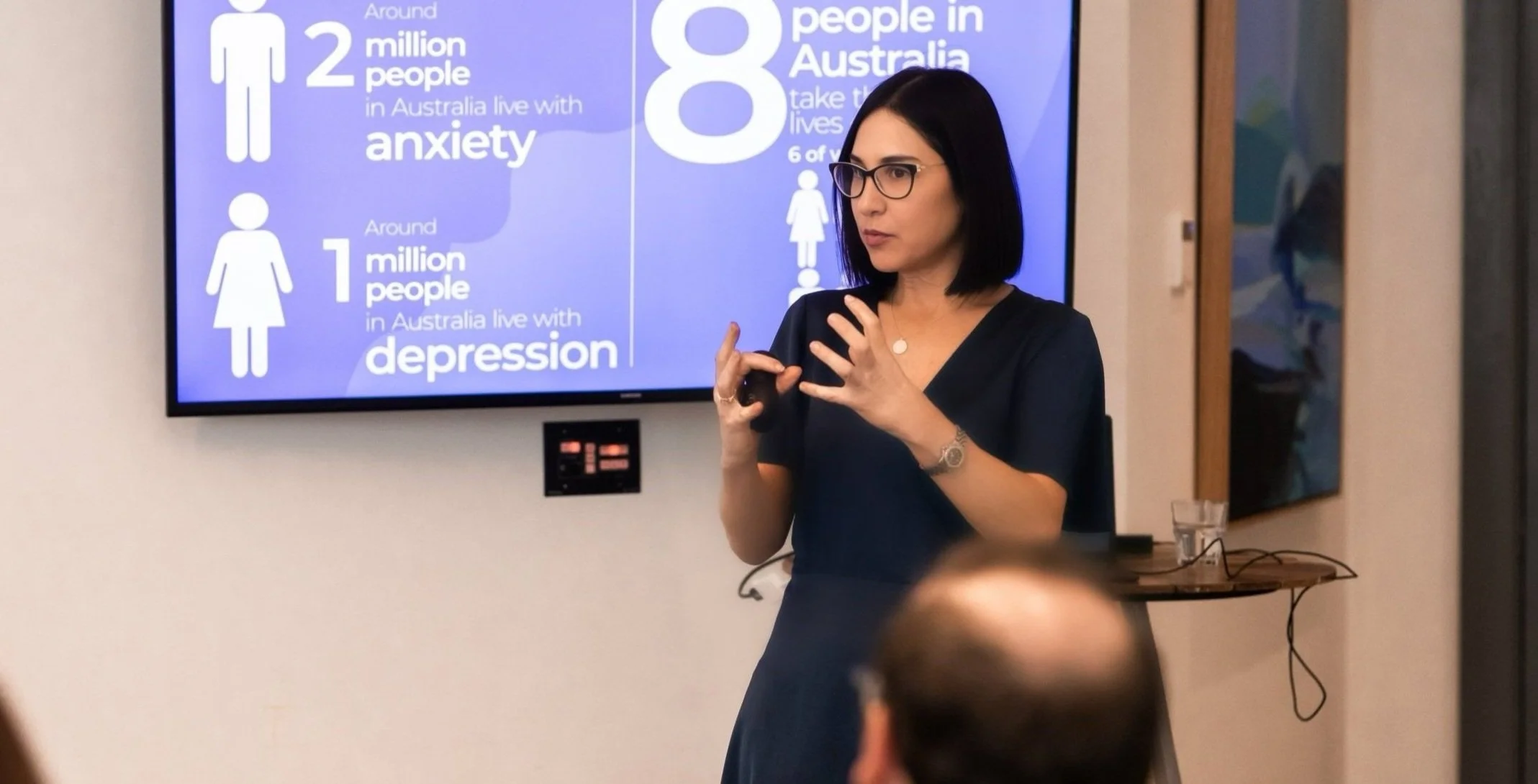
This is where Employee Training becomes an important part of workplace development.
Employee training is not simply about teaching people how to perform their job. It can also help employees understand workplace wellbeing, communicate more effectively, manage pressure, build resilience, and develop healthier ways of working.
BetterWorkLife provides customised workplace wellbeing training designed to support employees, managers, and leaders while helping organisations create healthier and more supportive working environments.
What Is Employee Training?
Employee Training refers to structured learning and development designed to improve employees' knowledge, skills, confidence, and ability to perform effectively in the workplace.
Traditional training may focus on technical skills or job-specific processes. However, modern workplaces often require much more.
Employees may need to understand how to communicate during difficult situations, manage workplace stress, recognise mental health concerns, support colleagues, respond to challenging customers, and adapt to organisational changes.
This is why workplace training can cover both professional development and employee wellbeing.
Why Employee Training Matters
Every employee faces different situations during their working life.
Someone may need to manage a demanding customer. Another employee may be dealing with increased responsibilities. A manager may need to have a difficult conversation with a team member. Employees may also experience workplace changes, conflict, stress, or uncertainty.
Without appropriate knowledge and training, these situations can become difficult to manage.
Effective Employee Training gives people practical skills they can use in real workplace situations. It can help employees feel more prepared, confident, and capable.
For employers, training can also contribute to a workplace culture where people understand that wellbeing, communication, and professional development are important.
Employee Training and Workplace Wellbeing
Employee wellbeing should not be treated as something separate from everyday work.
The way employees communicate, manage pressure, respond to conflict, and interact with colleagues can all influence the overall workplace environment.
Workplace wellbeing training can help employees understand the importance of looking after their mental and emotional wellbeing while also recognising when additional support may be appropriate.
BetterWorkLife's approach combines workplace wellbeing with practical training, helping organisations develop skills that can be applied in everyday working environments.
This can make training more meaningful because employees are not simply receiving information. They are learning how to use that information in situations they may actually encounter at work.
Mental Health Awareness Training
Mental health is an important part of workplace wellbeing.
Employees and managers may sometimes notice changes in behaviour, communication, mood, or performance but may not know how to respond appropriately.
Mental health awareness training can help employees better understand common workplace wellbeing challenges and develop greater awareness around mental health.
For managers, this knowledge can be particularly valuable. Leaders are often in a position where they may notice that a team member is struggling, but they need to understand how to approach the situation respectfully.
Training does not turn managers into counsellors. Instead, it can help them recognise concerns, communicate appropriately, and understand when professional support may be needed.
Building Resilience Through Training
Workplaces can change quickly.
New systems, changing responsibilities, organisational restructuring, challenging workloads, and unexpected events can all create pressure.
Employee Training focused on resilience can help people develop practical strategies for managing change and maintaining their wellbeing.
Resilience does not mean ignoring stress or expecting employees to cope with everything themselves. It is about developing healthier ways to respond to challenges and understanding when it is appropriate to seek additional support.
When resilience becomes part of workplace learning, employees can become better equipped to navigate difficult periods.
Leadership Training for Managers
Employees are not the only people who benefit from workplace training. Managers and leaders also require ongoing development.
Leadership involves much more than delegating tasks.
Managers need to communicate clearly, manage expectations, support employees, resolve difficult situations, and create a positive workplace environment.
BetterWorkLife provides coaching and customised training designed to strengthen leadership and workplace wellbeing.
Leadership training can help managers develop greater confidence when dealing with challenging conversations, employee concerns, workplace conflict, and changing team dynamics.
When leaders have the right skills, they are better positioned to support their teams while maintaining appropriate professional boundaries.
Training for Challenging Customer Situations
Some employees regularly interact with customers, clients, patients, or members of the public.
These interactions are not always easy.
Employees may encounter frustrated, angry, distressed, or demanding customers. Without appropriate preparation, repeated difficult interactions can contribute to workplace stress.
Training can provide employees with practical communication techniques for managing challenging customer situations.
The focus can be on remaining professional, communicating clearly, setting appropriate boundaries, and responding calmly when conversations become difficult.
This type of training can benefit both employees and organisations by helping teams approach challenging interactions with greater confidence.
Customised Employee Training
One of the most important aspects of effective workplace training is relevance.
A generic training session may not address the specific challenges faced by an organisation.
That is why customised Employee Training can be valuable.
BetterWorkLife offers customised training that can be delivered online or onsite, allowing organisations to select an approach that suits their workforce and workplace requirements.
Training can be developed around particular workplace challenges, leadership needs, mental health awareness, resilience, psychosocial risks, or other areas of workplace wellbeing.
This flexible approach allows training to be more closely connected to the organisation's actual needs.
Online and Onsite Training
Different organisations have different working arrangements.
Some teams work primarily from an office, while others may be distributed across different locations or work remotely.
Employee training can therefore be delivered in formats that suit the organisation.
Online training can make learning accessible to employees working in different locations, while onsite sessions can provide an opportunity for teams to learn and participate together.
The right format depends on the organisation, its employees, and the goals of the training.
Employee Training and Psychosocial Risks
Workplace wellbeing also involves understanding psychosocial risks.
These can include factors related to workload, workplace relationships, conflict, lack of support, organisational change, poor communication, and other aspects of the working environment that may affect employee wellbeing.
Training can help employees and leaders understand these risks and recognise the importance of creating healthier workplace practices.
Rather than waiting for workplace problems to become serious, organisations can use training as part of a proactive approach to wellbeing.
Combining Training With EAP Support
Employee training can work particularly well alongside an Employee Assistance Program.
Training helps employees and leaders develop knowledge and practical skills, while EAP counselling provides access to professional support when an individual is experiencing personal or workplace difficulties.
These services serve different purposes but can complement each other.
For example, an organisation may provide mental health awareness training to its employees while also giving them access to confidential EAP counselling.
This creates a broader workplace wellbeing strategy that includes both education and individual support.
The Benefits of Investing in Employees
When organisations invest in employee development, they are investing in their people.
Training can help employees feel more confident in their roles, improve communication, strengthen leadership skills, and develop greater awareness of workplace wellbeing.
It can also help organisations create a culture where learning and support are part of normal working life.
Employees who understand how to manage workplace challenges may be better prepared to communicate their concerns and seek appropriate support when necessary.
Creating a Culture of Continuous Learning
Employee training should not always be treated as a one-time event.
Workplaces change, employees develop new responsibilities, and organisations face new challenges. Continuous learning allows teams to build on existing knowledge and adapt over time.
Regular training can also reinforce important workplace messages around wellbeing, communication, leadership, resilience, and respectful workplace behaviour.
The goal is not to overwhelm employees with constant training. Instead, organisations can identify the areas where additional knowledge and support can make the greatest difference.
Choosing the Right Employee Training Approach
Every organisation has its own needs.
Before choosing a training program, employers should consider the challenges their employees and leaders are currently experiencing.
Are managers struggling with difficult conversations? Are employees dealing with workplace stress? Does the organisation need stronger mental health awareness? Are customer-facing employees regularly managing challenging interactions?
Answering these questions can help organisations identify the most relevant training topics.
A customised approach can make Employee Training more practical, engaging, and relevant to everyday workplace situations.
Supporting People Through BetterWorkLife
Employee development and workplace wellbeing go hand in hand.
Through customised workplace training, coaching, leadership support, and wellbeing services, BetterWorkLife helps organisations develop practical strategies for supporting their people.
Employee Training can give teams the knowledge and confidence they need to manage workplace challenges, communicate effectively, support wellbeing, and develop stronger leadership skills.
Whether training is delivered online or onsite, the most valuable programs are those that connect directly with the real experiences of employees and managers.
A healthier workplace is created through everyday actions, better communication, strong leadership, and access to appropriate support. By investing in Employee Training, organisations can take a practical step towards developing stronger, more confident, and more resilient teams.
Visit now : https://www.betterworklife.com.au/corporate-training-programs